
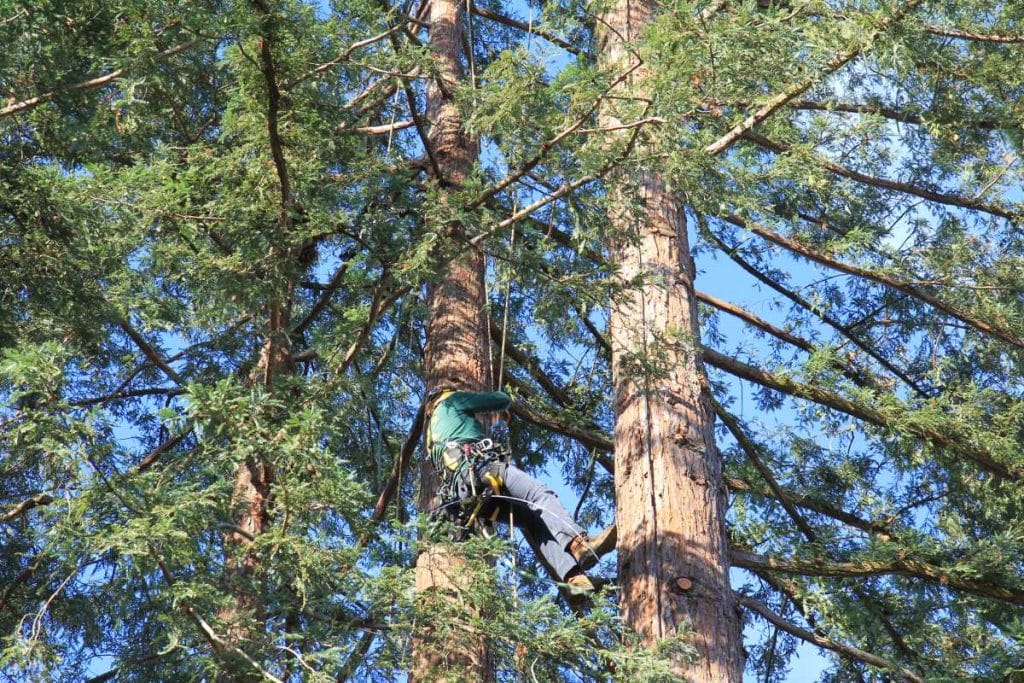
Professional tree pruning services in Sonoma County help maintain healthy growth, reduce safety risks, and improve overall tree structure for residential and commercial properties. Proper pruning removes hazardous limbs, encourages balanced growth, and helps protect your landscape from preventable damage caused by weakened, diseased, or overgrown branches. At Sandborn Tree Service, our work is guided by careful assessment, safe practices, and long-term tree health, so each pruning decision supports both the tree and the property around it.
Why Tree Pruning Matters for
Tree Health and Safety
Professional tree pruning plays a critical role in maintaining tree health and reducing the risk of branch or tree failure that could threaten your property or safety. When done correctly, pruning strengthens tree structure, removes weak or hazardous limbs, and promotes balanced, healthy tree growth.
Improper pruning can cause lasting damage, increase vulnerability to disease, and create structural weaknesses over time. Our experienced crew, led by certified arborists, uses industry-approved techniques so each cut supports the tree’s long-term health and stability.
Why Choose Us FOR TREE PRUNING SERVICES
- Experienced crew led by certified arborists
- Professional tree pruning completed using industry approved standards
- Safe and reliable tree pruning services for residential and commercial properties
- Focus on long term tree health, safety, and structural stability
- Proper equipment and safe work practices for every project
- Honest recommendations based on tree condition and landscape needs
When Should I Prune My Trees?
If you are unsure whether or not you need your trees pruned, ask yourself the following questions about them:
- Are there large dead brances, thinning or off color foliage in the tree?
- Have any branches fallen from the tree?
- Are there overgrown branches or bushes crossing over your neighbor’s property line?
- Do you notice extra thick foliage, watersprouts, excessively long or heavy limbs?
- Are there an abundance of small dead twigs in the tree?
- Does the tree have cavities or rotten wood along the tree trunk or in major branches?
- Are there mushrooms at the base of the tree?
- Has the trunk started to lean?
- Is the soil uplifted on the opposite side?
- Have the roots been broken or injured by sidewalk repair or trenching?
- Has the landscape been changed recently by construction or lawn installation?
- Have trees in adjacent wooded areas been removed?
How Professional Tree Pruning Is Done
Professional pruning starts with the tree’s condition, location, structure, and surrounding property. The goal is to remove risk, improve form, and support long-term health without making unnecessary cuts.
Pruning Standards
Sandborn’s crew uses industry-approved pruning practices and safe work methods. Cuts are planned to support the tree’s health, reduce hazards, and avoid unnecessary stress.
Pruning Objectives
The pruning objective depends on the tree and site. Common goals include removing dead or hazardous limbs, improving clearance, reducing limb weight, balancing growth, and supporting stronger structure.
Pruning Types
Structural tree pruning focuses on branch spacing, weight distribution, canopy balance, and long-term stability. Depending on the tree, pruning may involve deadwood removal, clearance pruning, selective thinning, or corrective cuts.
Tree Pruning FAQs
What Is The Best Time Of Year For Tree Pruning?
The best time for professional tree pruning depends on the species, condition, and overall health of the tree. Many trees benefit from pruning during dormant seasons, while others require seasonal maintenance to improve safety, encourage healthy growth, and reduce the risk of structural damage caused by overgrown or weakened branches.
Can Tree Pruning Improve Tree Health?
Yes, professional tree pruning helps remove dead, damaged, or diseased branches that may affect the overall health and stability of the tree. Proper pruning also improves air circulation, reduces excessive branch weight, encourages healthy growth, and lowers the risk of structural failure during strong winds or severe weather conditions.
How Often Should Trees Be Professionally Pruned?
Tree pruning frequency depends on the tree species, growth rate, location, and surrounding environmental conditions. Some trees may require annual maintenance, while others only need pruning every few years. Routine inspections help identify hazards, overgrowth, and structural concerns before they become larger safety or property related issues.
Is Tree Pruning Different From Tree Pruning?
Tree pruning focuses on improving tree health, structure, and safety by selectively removing branches. Tree pruning services are generally completed to manage appearance, shape, or overgrowth. Both services are important, but professional tree pruning is typically more focused on long term structural stability and healthy tree development.
Why Should I Hire A Professional Tree Pruning Company?
Professional tree pruning requires proper knowledge, specialized equipment, and safe work practices to avoid damage to the tree or surrounding property. Certified arborists understand correct pruning methods, structural considerations, and species specific requirements. Professional services also help reduce injury risks associated with large trees and elevated branches.
