If you’ve noticed valley oak trees in your area looking stressed, with thinning leaves or dying branches, you’re not alone. A new invasive pest, the Mediterranean oak borer, is impacting native white oaks across California.
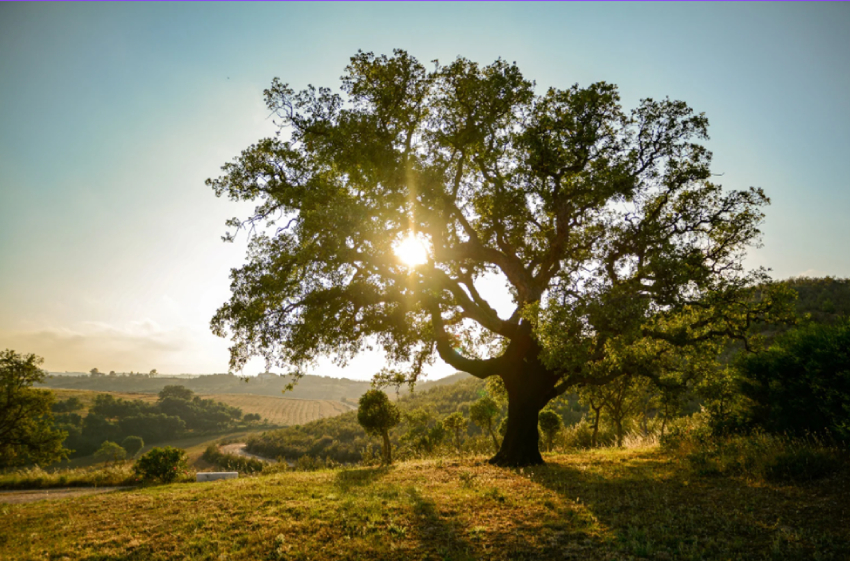
Large, stressed, valley oak trees (Quercus lobata) are particularly vulnerable, but Garry oak (Quercus garryana), blue oaks (Quercus douglasii), and their hybrids are also being threatened.
At Sandborn Tree Service, we’ve spent decades caring for Sonoma County’s urban forest. If you’re searching for a tree service Sonoma County property owners trust to protect their trees.
What Is the Mediterranean Oak Borer?
The Mediterranean oak borer (Xyleborus monographus) is an ambrosia type of beetle originally from Europe, North Africa, and parts of Asia. While it is only about the size of a sesame seed, it can have a large impact on oak trees.
This insect is considered a highly invasive species. It is not native to our region, and unlike European oak trees, our oak trees have no resistance to it.
What Does It Do and Why Is It Dangerous?
The Mediterranean oak borer infests living oaks but is particularly attracted to stressed trees. Ambrosia type beetles burrow in trees, spreading fungus in their tunnels. They are essentially little farmers as they eat the fungus.
It is the fungus that they spread that blocks the vascular flow of the tree, eventually killing the part of the tree they are in and anything above them. This forces the beetle to move down the tree, and to other trees, which eventually will kill it.
How They Damage Native Trees
They usually first attack the upper canopies of trees and can take several years to kill the branches they are in, making them very difficult to detect.
These beetles are parthenogenic, meaning that an unmated female lays male eggs that it can then mate with, allowing a single female beetle to cause a new infestation.
These beetles are not very good flyers and move much faster with the help of people than with their own wings. Many areas near wood dump sites are particularly impacted, suggesting that infested wood was brought to the wood drop site, and the beetles went to impact the nearby trees.
Signs to Watch For
Early detection can make a difference. Keep an eye out for:
- Fine, spherical, light-colored sawdust (called “frass”) coming out of the tree
- Thinning canopy or dying branches
Because the beetles are so small, you’ll typically notice the damage before you ever see the insect itself.
What Can You Do?
While this problem may seem overwhelming, there are ways you can help:
- Monitor your trees regularly for signs of stress or infestation
- Avoid moving firewood, which can spread pests to new areas
- Support tree health with proper watering during dry periods
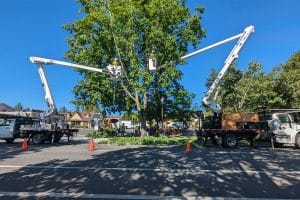
If your tree has a severe infestation, it is best to have a professional tree service in Sonoma County to remove the whole tree and chip it. This is the only currently appropriate method of reducing the spread of the beetle.
Take Action, Protect Your Trees
Valley oaks aren’t just beautiful; they provide habitat for wildlife, shade for livestock, and help define the character of our Sonoma County landscape. Protecting them means protecting an entire ecosystem.
The Mediterranean oak borer is a serious new challenge, but awareness is the first step. By learning the signs and taking action early, we can help slow its spread and protect the trees that define our region. Contact us online or call (707) 823-9144 to schedule an estimate today.