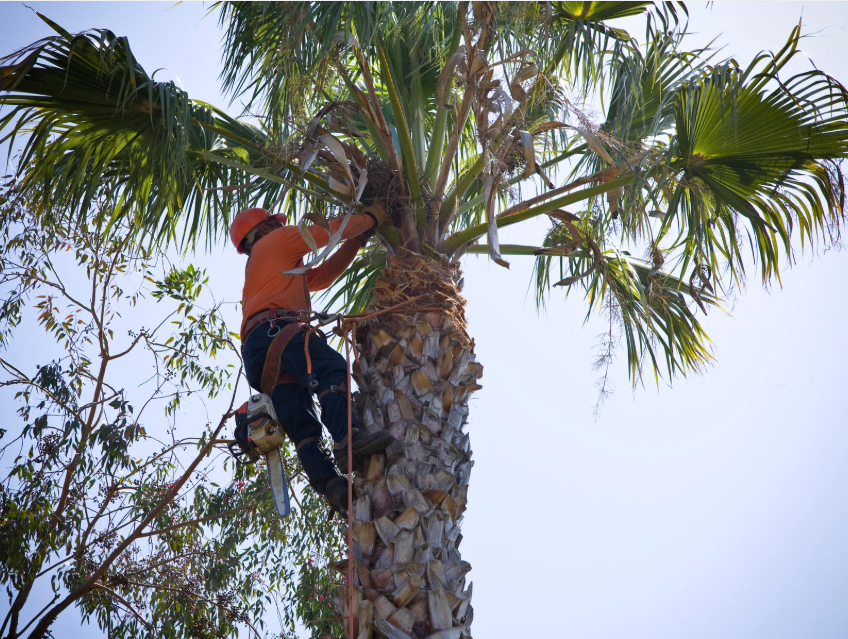
If you’re staring up at your trees thinking, “Do these need pruning… or am I just being picky?”, you’re not the only one. Most property owners don’t want to mess with a good thing and that’s smart.
You should only prune trees if you have a reason to. When you do need to prune, it’s best to use the fewest, smallest cuts when doing so. Large cuts can damage your trees and can’t be taken back.
When done right, pruning supports a tree’s structure, safety, and long-term health. Done wrong, it can create bigger problems than the ones you started with.
That’s where tree pruning services can make a difference, especially when you’re dealing with large limbs, trees near homes/driveways, or anything that feels unsettling. In this guide, we’ll explain exactly what to look for, how to do a simple check, and the benefits you get when pruning is done the right way.
Start With a Quick Walk-Around
Before you focus on branches, take a lap around the tree to look at the whole picture.
How to do it:
- Walk the tree from multiple angles (different views tell different stories)
- Look up into the canopy and down at the trunk base
- Note trees interfering with: roofline, driveway, fences, power lines, etc.
Safety note: If branches are near power lines or hanging over a roof, don’t DIY this. That’s exactly where professional tree pruning services are worth it.
Look for Signs Your Tree Needs Pruning
If you only remember one thing from this blog, remember this: trees usually ask for pruning through obvious symptoms. Here are the most common signs.
Dead or Dying Branches
These are the easiest issues to spot and one of the most important issues to take care of.
What it looks like:
- Large dead limbs in the canopy
- Lots of small dead twigs throughout the tree
- Branches that have already fallen
Deadwood isn’t just an eyesore; dead branches are more likely to fail in wind or storms, potentially creating a safety hazard.
Overgrown, Heavy, or Drooping Limbs
Sometimes a tree looks healthy, but its branch weight distribution may be growing off balance.
Look for:
- Long limbs that sag heavily over a walkway or driveway
- Branches rubbing each other
- Limbs that look “stretched out” toward light (common with trees crowded in)
Thick Foliage and Unorganized Growth
When you see dense interior growth or a flush of skinny upright shoots (water sprouts), it can be a sign the tree needs a structural reset.
Common causes:
- Past improper pruning
- Stress
- The tree trying to compensate for lost canopy
This is where good pruning is less about “making it look nice” and more about guiding healthier growth patterns.
High Risk Tree Defects
These don’t always mean a tree needs pruning, but they absolutely mean you should take it seriously.
Watch for:
- Cavities or rotten wood in the trunk or major limbs
- Mushrooms at the base of the tree
- A trunk that’s starting to lean
- Soil lifting on one side
If you’re noticing any of these, it’s time to bring in an arborist-led team for tree pruning services and a complete risk evaluation.
Check for Clearance Issues
Even healthy trees need pruning when they’re in conflict with the space around them.
Home and Roof Clearance
Trees over roofs often create:
- More leaf and needle debris in gutters
- More shade and moisture buildup
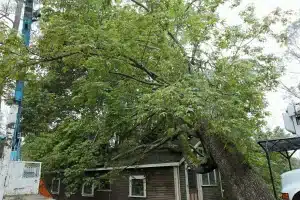
- More branch risk during storms
Your homeowner’s insurance may require you to prune your trees to provide clearance.
Driveways and Access
Pruning is often needed if branches interfere with:
- Cars and delivery trucks
- Emergency access
- Visibility when backing out
Property Lines
If branches or shrubs are crossing into a neighbor’s yard, pruning can prevent disputes and protect everyone’s structures and fences.
DIY vs. Professional Pruning
Here’s an honest rule we tell homeowners:
DIY is usually okay for:
- Small branches you can safely reach from the ground
- Light cleanup pruning on young trees
- Removing small dead twigs
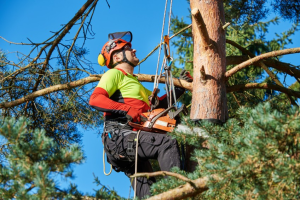
Call professional tree pruning services for:
- Any limb that could hit a home, vehicle, or person
- Anything requiring a ladder or chainsaw work above shoulder height
- Trees near power lines
- Trees showing lean, decay, cavities, or root issues
- Large mature trees where pruning decisions affect long-term structure
Tree work can be dangerous. It’s important to prioritize your safety.
The Benefits of Pruning Trees
When done correctly, pruning isn’t just maintenance, it’s preventative care.
Improved Safety
Removing dead or structurally weak limbs reduces the chance of branch failure during wind and storms.
Stronger Structure
Thoughtful pruning helps a tree grow in a more stable shape, so it’s less likely to develop heavy, unbalanced limbs later.
Healthier Growth
By removing damaged, rubbing, or poorly positioned branches, the tree can put energy into healthier growth.
Less Long-Term Damage
Improper pruning can create lasting damage and structural weaknesses. Professional tree pruning services are designed to make cuts that support the tree—not stress it.
Cleaner Trees
Good pruning improves appearance, but the best-looking trees are usually the healthiest ones.
What to Expect from a Professional Tree Pruning Service
A solid pruning experience should feel organized and straightforward:
- A specialist evaluates your tree’s health, structure, and site conditions
- You get a clear recommendation
- The work is performed safely and cleanly
- Debris is handled responsibly
Tree care should improve the landscape, not create a waste problem.
Need Tree Pruning?
If you’re seeing any of these warning signs, or you just want a second opinion, our team can help you make a clear plan that protects both your trees and your property.
Reach out to Sandborn Tree Service by contacting us online or calling (707) 823-9144 to schedule professional tree pruning services with an ISA Certified Arborist-led crew.